
Deaf and Hard of Hearing Counseling in Soldotna and Homer, Alaska
At Kenai Peninsula Mental Health, we offer counseling in Soldotna and Homer, Alaska for Deaf and hard-of-hearing individuals, including sessions in American Sign Language (ASL).
We serve clients across the Kenai Peninsula and prioritize clear, direct communication from the start.
For many Deaf and hard-of-hearing clients, therapy can be shaped by how communication is handled. When that piece feels strained or effortful, it can impact pacing, clarity, and overall engagement in the work.
Our goal is to reduce those barriers where possible and offer a therapy experience that feels more accessible, consistent, and focused.
Our ASL Experienced Counselors
-
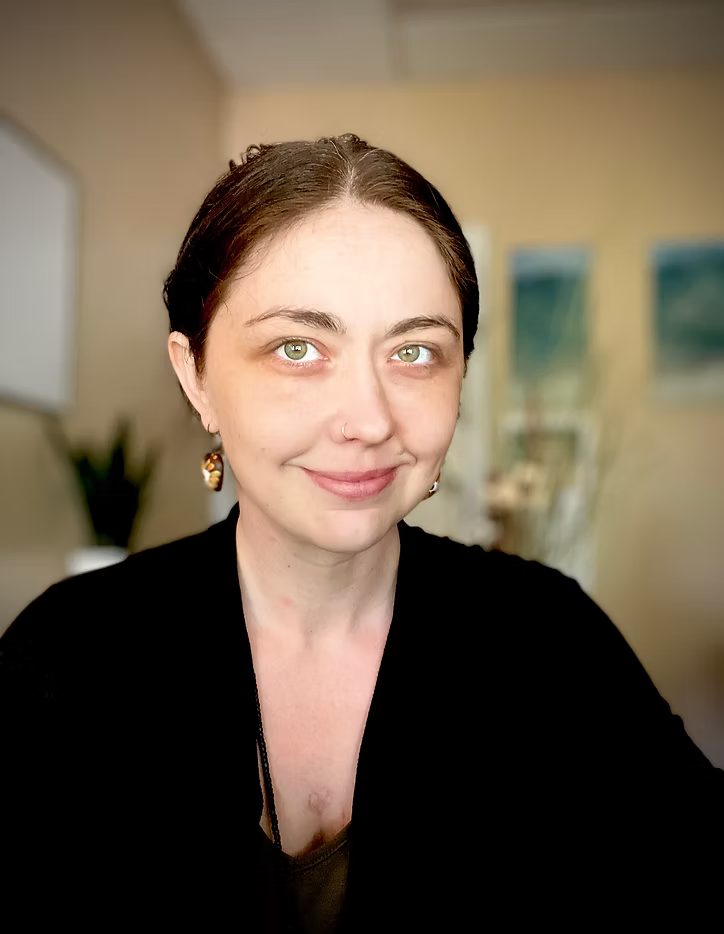
Mira Featherstone - LPC
Mira provides counseling in both spoken English and American Sign Language and has experience working with Deaf and hard-of-hearing clients in clinical settings. Her approach focuses on clear communication, practical support, and helping clients engage in the process in a way that feels natural and manageable.
What is counseling in ASL like here?
Counseling in ASL follows the same overall structure as any therapy session, with the key difference being how communication takes place.
Sessions are conducted directly in American Sign Language, allowing for more natural, real-time conversation without relying on an interpreter. For many clients, this reduces the effort it takes to stay understood and supports a more steady, engaged pace in session.
The focus of therapy remains the same. We work to understand what’s happening in your life, identify patterns, and build practical tools to navigate challenges more effectively.
Our clinician is fluent in ASL and has experience working with Deaf and hard-of-hearing clients in clinical settings.
ASL and communication at KPMH
We offer counseling sessions in American Sign Language for Deaf and hard-of-hearing clients who prefer direct communication with a clinician.
This service is designed for clients who are comfortable engaging in ASL without the use of an interpreter. Sessions are structured around clear, direct communication within that framework.
We do not routinely provide interpreter services as part of ongoing care.
If your needs would be better supported by a Deaf provider or the use of a certified interpreter, we’re happy to help point you toward appropriate resources so you can access the level of support that fits best.
How to schedule a professional counseling session.
Ready to get started? Call or email us today. Our contact info is at the bottom of this page.
Once you reach out, our on-boarding admin will contact you to gather information regarding your specific situation. They will explore with you what provider will likely best meet your needs, and support you in getting set up in our electronic health record.
KPMH uses Simple Practice, a medical record and portal system that will allow for confidential and HIPAA compliant messaging that ensures your privacy. You will be sent a portal link that directs you to online documentation to be completed prior to your initial session.
This is a great time to ask any questions you might have. After all, where you go for support is your choice, and we want you to feel empowered to assess whether or not we are the right fit for you! Here at KPMH, our providers believe that a strong therapeutic relationship is essential in the process of creating change. These initial conversations are important in assessing fit, as therapy is not “one size fits all.”
KPMH has offices in both Soldotna and Homer. Clients working with Mira, our ASL-fluent clinician, are seen in person at our Homer office or via telehealth, depending on preference and availability.
We look forward to meeting you and are honored to be part of your work.
Why trust us with your mental health care
4.4 out of 5 stars on google business reviews
Client Testimonials
“KPMH helped me during a very low point in my life. The support I received made a meaningful difference.”
— Previous ClientFAQ’s
-
Yes. Kenai Peninsula Mental Health offers counseling sessions in American Sign Language for Deaf and hard-of-hearing clients in Soldotna and Homer, Alaska.
-
Yes. Sessions can be conducted directly in ASL, which allows for more direct communication without relying on an interpreter.
-
No. This service is not the same as working with a certified interpreter. Our clinician provides therapy in ASL but does not offer interpreting services.
-
In some situations, a Deaf clinician or certified interpreter may be a better fit. We are happy to help guide you toward additional resources if that is what you need.
-
Counseling can help with anxiety, stress, relationship challenges, life transitions, and the impact of past experiences. Sessions focus on both day-to-day challenges and underlying factors.
-
Counseling in ASL follows the same structure as other therapy sessions, with communication taking place directly in American Sign Language. The focus is on understanding your experience, building practical skills, and working through challenges at a pace that feels manageable.
-
No. Our clinician works with a range of clients. ASL sessions are available, but services are not limited to Deaf and hard-of-hearing individuals.
-
You can call the office or reach out through the website to get started. The team will help you get scheduled and connect you with a therapist who fits your needs.